

The Birth of a Weaving Business
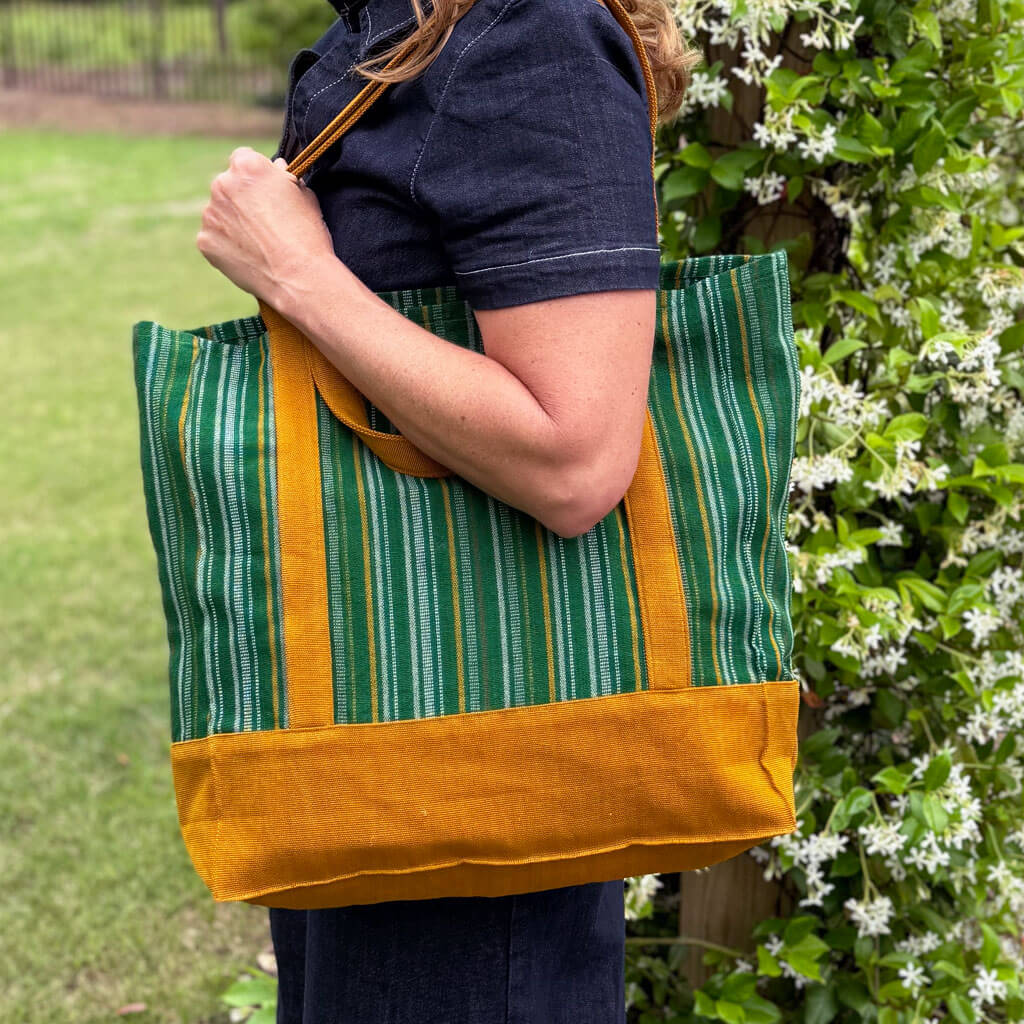
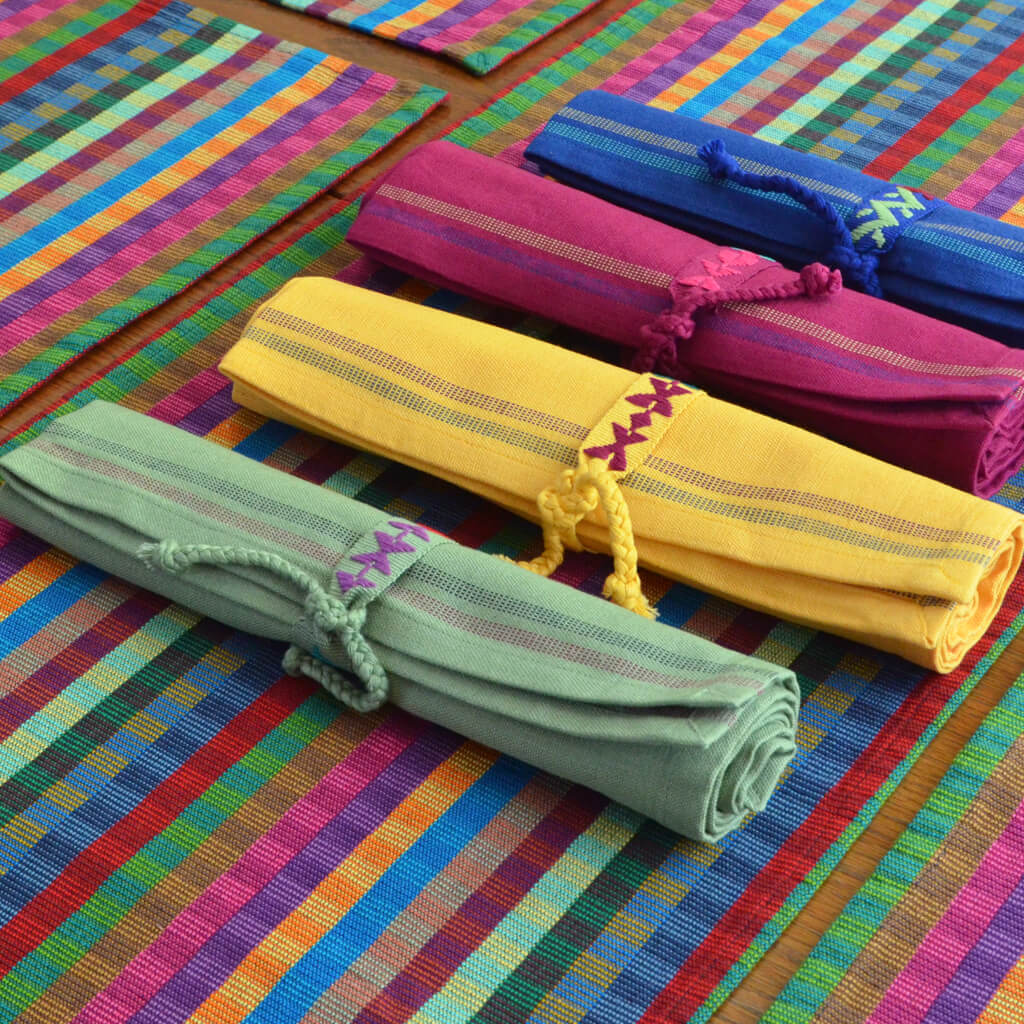
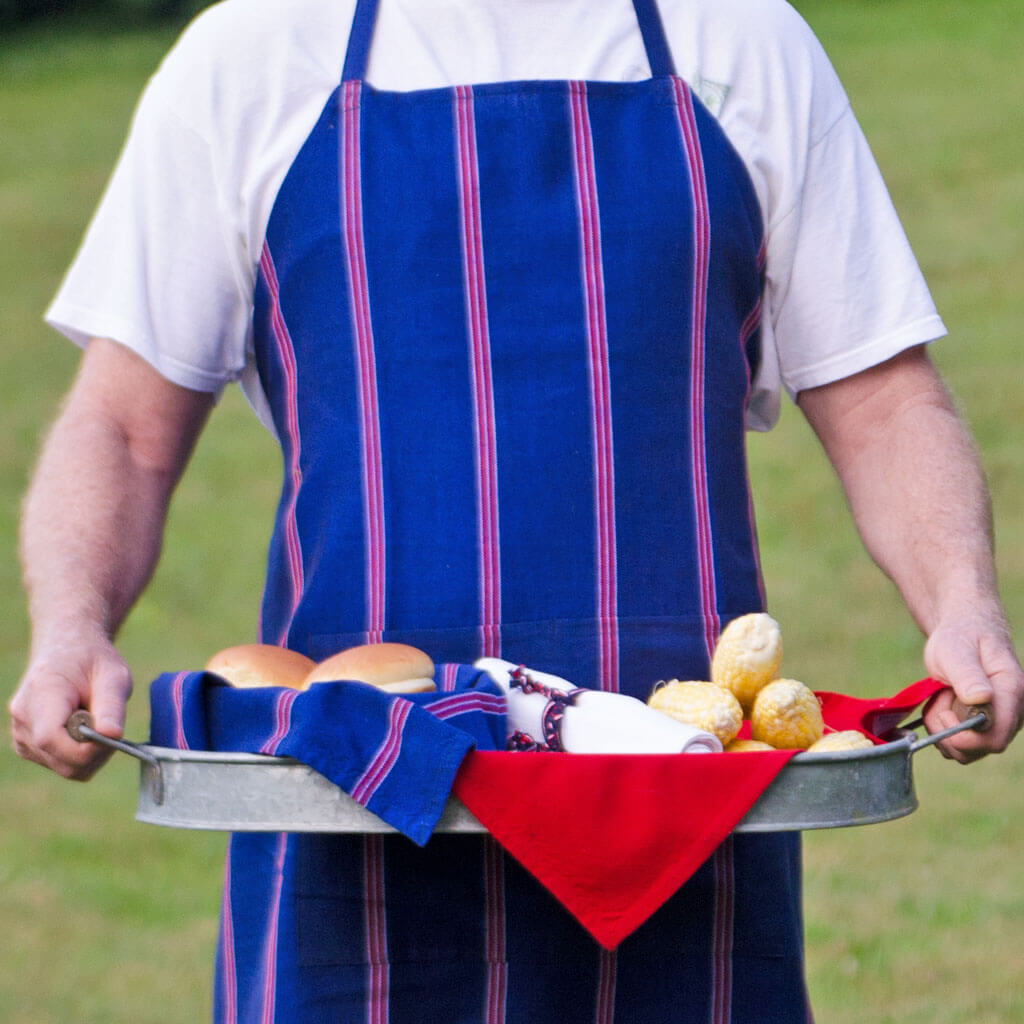
It’s amazing how the years have flown by. From Caryn’s first visit to Cajolá, Guatemala in February of 2003, to a thriving cooperative that today sells nearly 100 different products in varying colors and sizes to retail and wholesale customers around the world. Did you ever wonder how we got here? Mayamam Weavers in the U.S. was organized to market the fair trade, handmade textile products of the cooperative Tejedoras Maya Mam (which means Maya Mam Weavers in Spanish).

It all began when extensive volunteering with immigrants in her hometown of Morristown, New Jersey connected Caryn with a group Guatemalan (mostly) men from Cajolá. They wanted to develop educational and economic opportunities for their community to stop the need for forced migration. After a couple of visits to Guatemala, Caryn began organizing a group of women who were family members of the Morristown immigrants. Following a thorough community analysis, they brainstormed what kind of work they could do to earn income. They settled on weaving, thinking primarily of the beautiful backstrap weaving you see in the Celebration Collection that many of them learned as children from their mothers.

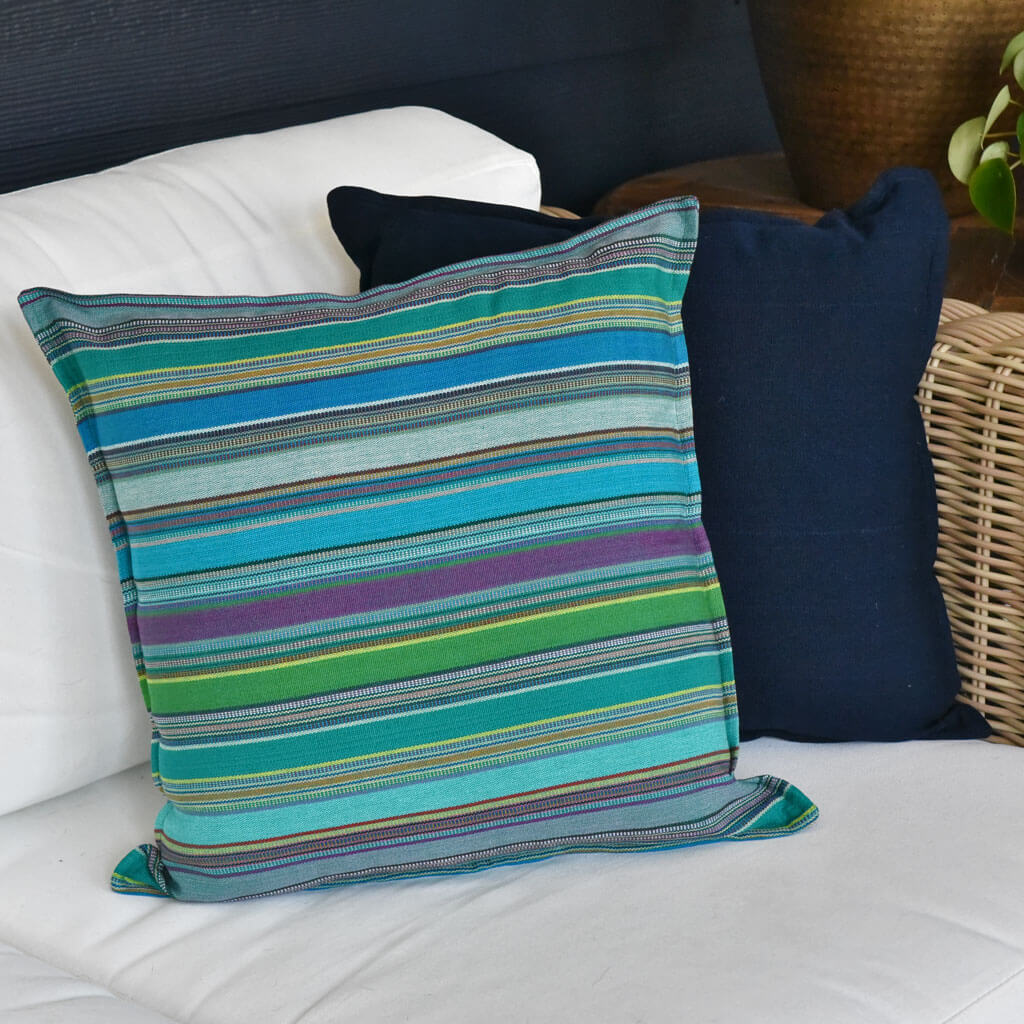
However, many of the women jumped at the opportunity to learn to weave on the foot loom, the larger loom that is used to make the Mayamam Stripes fabrics. The foot loom had been brought to Guatemala by the Spanish in the 16th century and is used primarily by men to weave the typical clothing of cortes and huipiles. By learning to weave on the foot loom, they would be able to sell products at a more affordable price than the time-consuming backstrap products while still earning a fair income. At the same time, another group of women had decided to learn to sew on pedal machines. Over time they switched to using electric industrial sewing machines that are known for the best quality.

When about 20 women had learned to weave on the foot loom, the women were ready to weave the cloth for products to sell. However, most of the women were thinking about weaving at home. Caryn insisted on their coming to the workshop each day to weave and about half of the women dropped out because of that.

From the beginning, Caryn talked a lot about it being “their business” but as they well knew, it wasn’t their business since she was making all the decisions. More than half of them had never been to school, so speaking Spanish was a huge challenge, and without any schooling how could they think about running a business? And even though required literacy classes were offered each day, reaching sixth grade competency isn’t adequate for running a business.

A few young women who were studying in secondary or university level education did enter as weavers or seamstresses, and they were assigned roles as “coordinators”. A finance coordinator, a marketing and sales coordinator, and a production coordinator were just what was needed. In 2018, they created the Sales and Marketing Council. With coaching and training they worked to develop the market in Guatemala, and they began to acquire the skills to run the business. By the time the Pandemic arrived they really were capable to manage on their own. They have continued to improve and broaden their technical and administrative skills through opportunities offered by organizations like FUNDAP, an NGO in Guatemala. As members of the Fair Trade Federation, Mayamam Weavers enthusiastically supports further training in whatever the women identify as needed, whether it is new backstrap designs or how to administer a savings circle.
Today Mayamam Weavers in the US is their biggest customer, but not their only one. Tejedoras Maya Mam is celebrating becoming a Sociedad Anonima, similar to an LLC, making them a truly independent woman-run business with a very bright future.


1 comment
It’s been a real joy to watch MayaMam grow not only as a business, but as a community effort! Having a daycare on site is visionary and I love the tree planting program. I remember when all of the women were able to get their first propane stoves. In time, these young women that you are training will be able to train others.
What happened to the original men who you mention in the beginning? I don’t remember ever seeing men mentioned in your blog posts…. Just curious!
Rachel Biel (Artizan Made)
Leave a comment
This site is protected by hCaptcha and the hCaptcha Privacy Policy and Terms of Service apply.