

When Textiles Weave Together a Community
Communities are built when something draws people together, something that they have in common, whether it is living in the same neighborhood, playing a sport together or sharing a religion. Communities feed our need as humans to be social. They also come with many other benefits like learning from each other, cheering each other on and supporting each other. One great example of community is WARP (Weave a Real Peace) which is a non-profit organization with members from around the world who all value textile arts. WARP members include textile weavers, basket weavers, businesses, cooperatives, all connected by their appreciation of weaving. Mayamam Weavers have been members of WARP since 2019 and value the support that comes from being a member. When Deborah Chandler, talented weaver, author and one of the founding members of WARP, recently reached out to ask if we would be interested in sharing our story during a monthly Continuing Textile Traditions presentation…we said YES!
Sharing our story was a great opportunity to tell how Mayamam Weavers got started, and how we’re doing now, firsthand, from two members of the cooperative in Guatemala along with the North American team. Deborah was sure that other members of WARP could benefit by seeing how a small business like ours can grow (sustainably) by designing a wide range of beautiful, consistently made products and marketing them through a professional website, email campaigns, and social media supported by exceptional customer service.

Caryn Maxim, founder of Mayamam Weavers, kicked off the presentation recalling back to 2002 when she was volunteering as an immigrant advocate in her hometown of Morristown, New Jersey, where she worked closely with a group of young immigrants from Cajolá, Guatemala. As they got ready to return to Guatemala with the dream of developing their community so people wouldn’t be forced to migrate to find work, Caryn followed them. This was the beginning of her spending 2 weeks of every month in Cajolá for the next 16 years. Brainstorming ways to earn a living with a group of women led to projects like an egg cooperative and the weaving cooperative, Tejedoras Maya Mam (which means Mayamam Weavers).

Maria, the sales and marketing coordinator for the cooperative shared details about how the group is organized. There are currently 19 women working in 7 areas: yarn winding, backstrap loom, foot loom, seamstresses, quality control, finances and sales. They have also built relationships with other cooperatives to be able to fulfill a growing number of orders. Maria is also in charge of developing sales within Guatemala and Central America.

Sonia, the quality control coordinator explained the process of preparing the fabric and the products. Every product is made with care, washed, ironed, and measured. The culture in Cajolá doesn’t encourage confrontation or a critiquing which makes the job of quality control a little challenging.

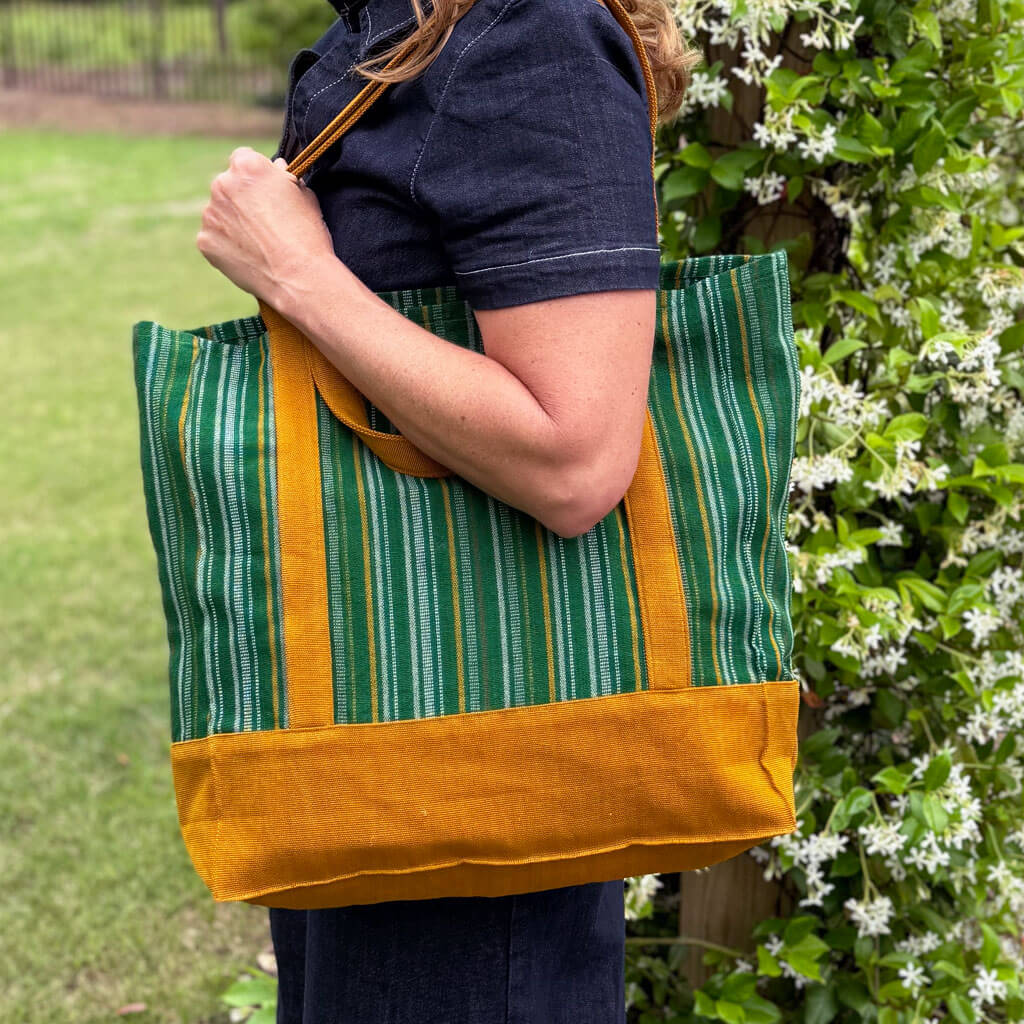
Mayamam Weavers in the US was created to sell Tejedoras Mayamam products in a market that could handle the retail prices that result from paying the artisans fairly. The North America team is made up of Caryn, Robin, who is the Creative Director, and Jennifer, the Marketing Director. Robin is responsible for the Mayamam Weavers look and feel while Jennifer is responsible for the brand voice.

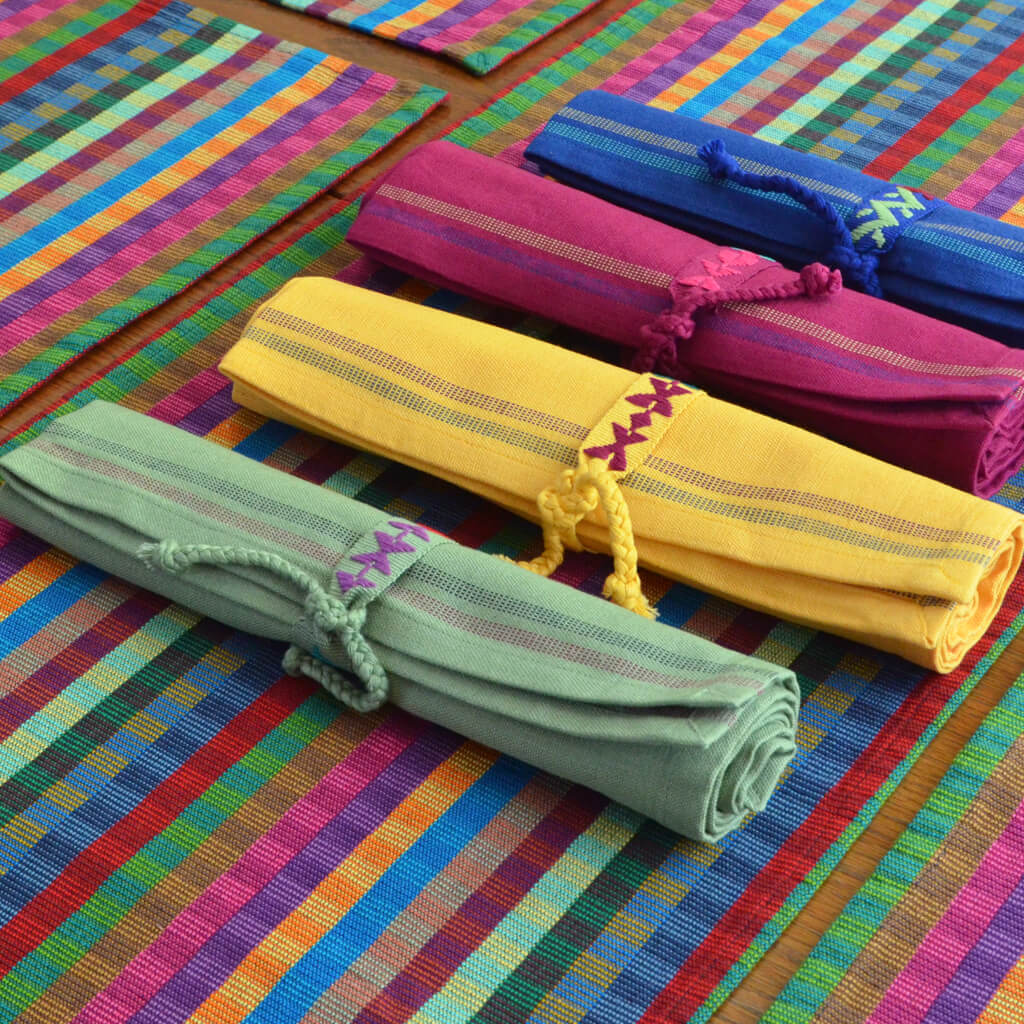
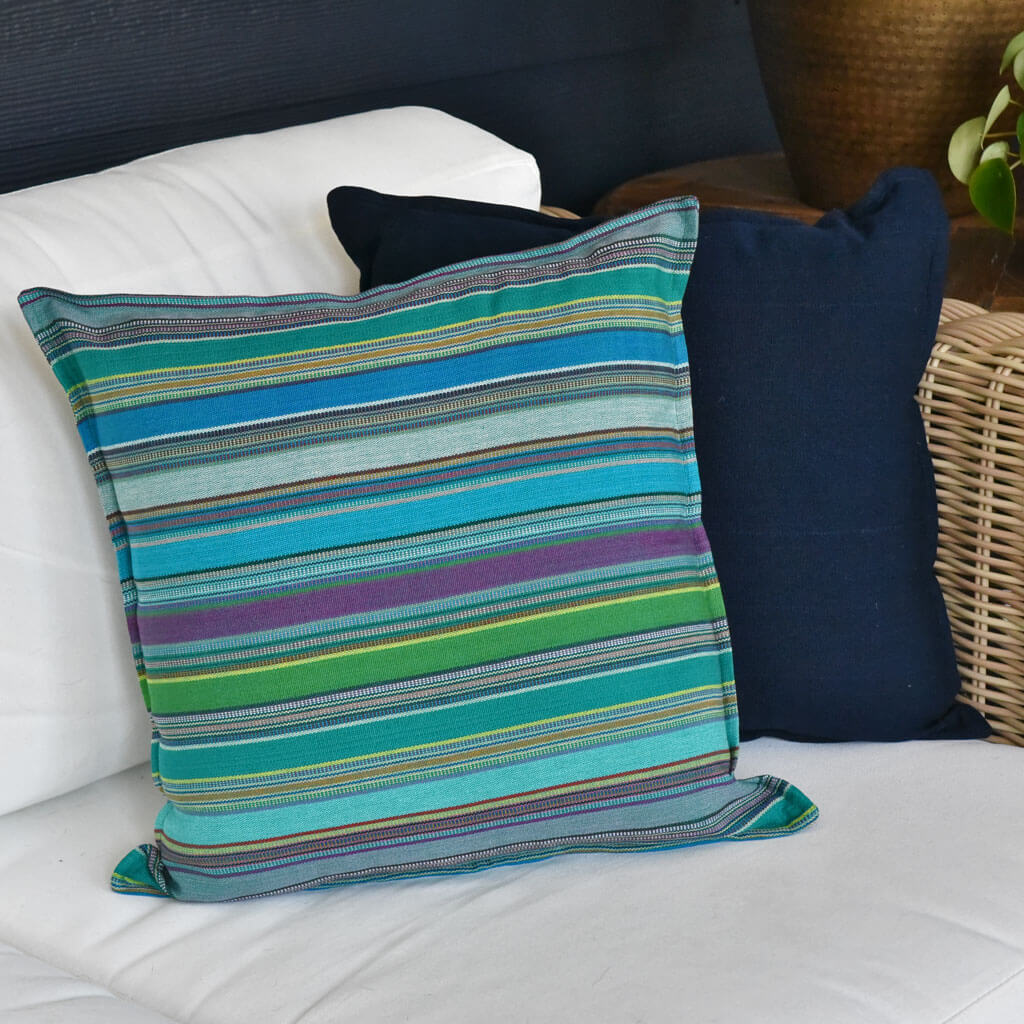
As Mayamam Weavers began, Caryn had a vision, that the products would be inspired by the weaving traditions of the Maya culture but be tailored to the North American customer using colorways and products that fit the décor and taste. She also had the vision that Tejedoras Maya Mam would be an independent organization and Mayamam Weavers would be their biggest customer. Today that vision is alive (and beautiful!). There have been easy days and there have been difficult days but having the support of “community” makes all the difference to a small business. WARP continues to be one those key, supportive networks we are grateful to be able to turn to.
You can see the full presentation of Continuing Textile Traditions: The Fair Trade Journey of Mayamam Weavers here.



1 comment
In the future would you add those beautiful shirts the women are wearing to your sales inventory?
Mary Jane
Leave a comment
This site is protected by hCaptcha and the hCaptcha Privacy Policy and Terms of Service apply.